Plaza de la Corredera from Córdoba, Spain

Soon after the Plaza Mayor was built in Madrid, its design was copied by other cities, even ones very distant from the capital. The Plaza de la Corredera in Córdoba is the only quadrilateral square in the south of Spain and Andalusia, developed by the architect Antonio Ramós Valdés of Salamanca. In 1683, on the site of an esplanade, which historically had been a Roman circus, and subsequently a trading area during the city’s Muslim era, he constructed a giant, semiregular quadrilateral, slightly smaller than the one in Madrid.

After it was built, the square was used for various purposes, serving as the grounds for temporary trade fairs and an arena for corridas, from which its current name originates. In the area beneath its ground floor arches are the so-called esparterías shops that sell traditional objects braided from plant fibres. Antique shops have existed here for nearly a century.

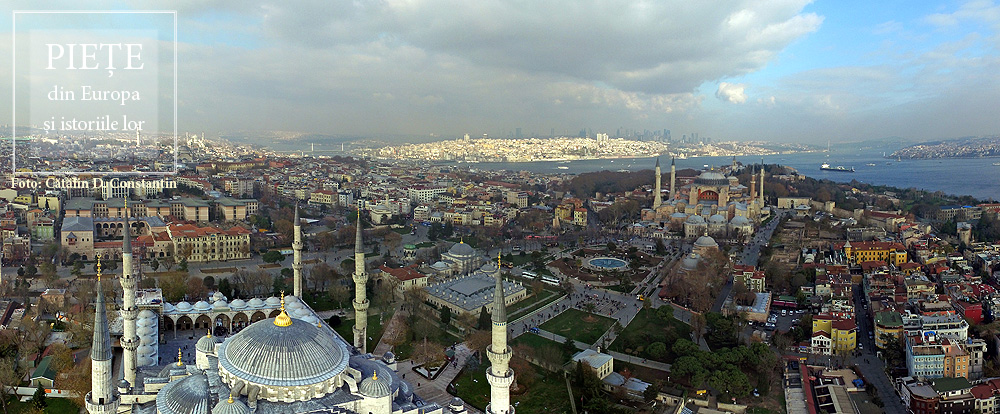
სტამბული, თურქეთი, სულთანაჰმედის მოედანი

მოედნის სივრცე აღმოსავლეთისა და დასავლეთის შეყრის იდუმალებით ხასიათდება. ეს არის არა ერთი, არამედ ორი მოედანი ერთი სახელით. აია სოფიასა და სულთან აჰმედის მეჩეთს შორის არსებული სივრცე ცნობილია ლურჯი მეჩეთის სახელწოდებით, სადაც წარმოდგენილია მოედანი შადრევნით. მას ხშირად აია სოფიას მოედანსაც უწოდებენ, თუმცა ოფიციალური სახელწოდებაა სულთან აჰმედის მოედანი. იქვე წარმოდგენილია ბაზარი – ბოსტანი, რომელიც იმართებოდა ავგუსტუსის რომაული ფორუმის დროს. პარადოქსია, მაგრამ, გრძელი მოედანი ლურჯი მეჩეთიდან ისლამური ხელოვნების მუზეუმამდე სულთან აჰმედის სახელს ატარებს, თუმცა, ის არა პარკი, არამედ მიმდებარე მოედანია. არ არსებობს მსოფლიოში ადგილი, რომელიც ამხელა ისტორიას აერთიანებდეს. თეოდორე დიდის ობელისკი ფაქტობრივად ეგვიპტურია და აქ ჩამოიტანეს 390 წელს ლუქსორიდან. ის  ასუანში ძვ.წ 1490 წელს, ეგვიპტელი ფარაონი თუტმოს III-თვის გამოაქანდაკეს. სერპანტინის სვეტი ჩამოიტანეს 324 წელს ქალაქ დელფოში აპოლონის ტაძარში, სადაც ბერძნების სპარსელებზე გამარჯვებას ზეიმობდნენ. ჩამოასხეს სპარსელების იარაღის შენადნობიდან და გამოაქანდაკეს ბერძნებმა. ის ახლა 2500 წლისაა. მეორე ქანდაკება შეიქმნა X საუკუნეში კონსტანტინე VII-ის მიერ. ასევე უნდა დავამატოთ კეისარ ვილჰელმ II-ის ვიზიტის აღსანიშნავად, 1900 წელს შექმნილი „გერმანული შადრევანი“. აღსანიშნავია არტნუვოს ფასადი, შენობის აღმოსავლური მახასიათებლებით, რომელიც ამჟამად მარმარას უნივერსიტეტის რექტორატს მასპინძლობს. ლურჯი მეჩეთი და აია სოფია მოედნის ერთ მხარეს განსაზღვრავენ. მოპირდაპირე მხარეს კი მდებარეობს ისლამური ხელოვნების მუზეუმი, რომელიც იბრაჰიმ ფაშას სასახლეშია განთავსებული. იბრაჰიმ ფაშა სულეიმან დიდის ვეზირი იყო. აღმოსავლეთ რომის იმპერიის ნულოვანი კილომეტრი მონიშნული იყო მარმარილოს სვეტით, რომელიც ისევ მოსჩანს მოედნის ჩრდილო-აღმოსავლეთ კუთხეში. და ეს კიდევ ყველაფერი არ არის. მოედანი ფაქტიურად, რომაული იპოდრომის არენას წარმოადგენს.

Trg Peristil from Split, Croatia

From a bird’s eye view, the old town of Split resembles a rectangular box into which someone has placed buildings, streets, and markets. Beginning in the Middle Ages, two of the larger markets in this citadel played a key role in the history of the city, Narodni Trg, or Spalato in Italian. The People’s Square, called simply Pjaca by the locals, was first mentioned in the 13thcentury, and has a number of superb Gothic buildings. A bit further on, at the entrance to the citadel, lies Trg Braće Radić, called Voćni Trg by the locals, meaning “fruit market,” in reference to its earlier, colourful identity. Just outside the medieval walls is a third great square, Republic Square. Its more recent architecture reminds one of Venice’s San Marco. It was built in the mid-19th century, in a historicist style, demonstrating that Split, long under Venetian rule, still carries on this tradition. These are beautiful squares, each with its own marked individuality, but the oldest and most interesting of the Split squares by far is Trg Peristril, which is smaller, yet considered by locals to be the historical heart of this area. Its history is special. Originally, this square served as the interior courtyard of a palace built for the Roman emperor Diocletian in 305, across a huge surface measuring 300 square meters. In fact, half of the old city of Split lies within the palace walls, the most well-preserved Roman palace today. After the Romans abandoned it, it remained uninhabited for centuries, until the people of Salona used it when taking refuge from the Slavs, turning this former palace into their settlement. And a settlement it shall remain. John of Ravenna, the first local archbishop, oversaw the transformation of the Diocletian mausoleum into a church. This was the moment when the palace courtyard officially became the Cathedral square, with all of the functions of a medieval square. Changes were made to it, but some features were kept, including its red porphyry columns.