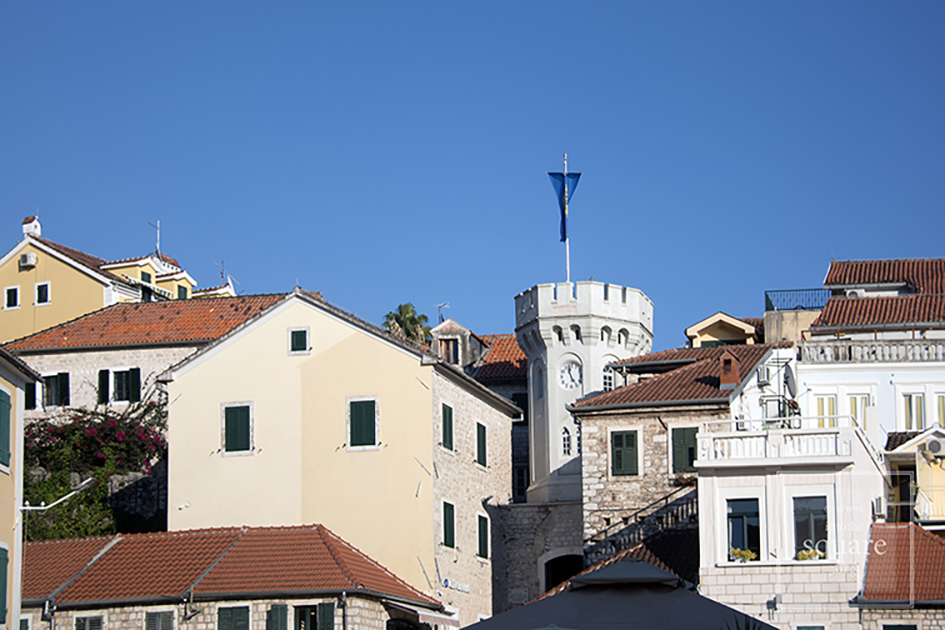
ჰერცეგ ნოვი, მონტენეგრო, ტარგ ჰერცეგ სტეპანა

ჰერცეგ ნოვი (იტალიურად კასტელნუოვო) თავისი სახელის მიუხედავად, საკმაოდ ძველი დასახლებაა. ის დაარსდა 1382 წელს მეთევზეთა სოფლის ადგილას, ბოსნიელი მეფის – სტეფან I-ს მიერ, რომლის სახელიც ჰქვია ქალაქის ცენტრალურ მოედანს. 1482 წელს ქალაქი თურქებმა დაიპყრეს და დარჩნენ აქ მომდევნო ორი საუკუნის განმავლობაში, პერიოდულად ესპანელების თავდასხმებიც ხშირი იყო. 1687 ქალაქში მმართველობის ვენეციური, მოგვიანებით კი ავსტრო-უნგრული კანონი მოქმედებდა. ამის შემდგომ, სხვადასხვა დროს,  ჰერცეგ ნოვს მართავდნენ რუსები, ნაპოლეონი და მუსოლინი.  საბოლოოდ კი ის გახდა იუგოსლავიის ნაწილი. ქალაქის არასრული ისტორიის ნახვა, შესაძლებელია მის მოედანზე. ეს პარადოქსული მოედანია, რადგან ააგეს იტალიურ სტილში, პალმის ხეებით გარშემორტყმული ბრწყინვალე მართმადიდებლური ტაძრით შუაგულში. მოედნიდან, რომლის არაოფიციალური სახელია ბელავისტა, ჩანს ზღვა,  ოტომანური საათის კოშკი, ესპანური ციხე-სიმაგრე, კათოლიკური ეკლესიის სამრეკლო და ქალაქის ქვედა ნაწილი.

ჩესკი კრუმლოვი, ჩეხეთის რესპუბლიკა, ნამესტი სვორნოსტი

ნამესტი სვორნოსტი პატარა, 45 x 60 კვმ მოედანია. აქ დაჯგუფებულია  რენესანსული ფასადების მქონე სახლები, აქვე მდებარეობს ბაროკალური სვეტი. მოედანი ერთ მხარეს შემოსაზღვრულია ძველი ქალაქის მერიის შენობის თაღედით. ქალაქი, რომელსაც გერმანულად კრუმაუ ჰქვია, განვითარდა სასახლის გარშემო, რომლის შესახებაც პირველი ისტორიული წყარო გვხვდება მე-13-ე საუკუნის პოემაში. სასახლე ყოველთვის იყო მთავარი პუნქტი, ხოლო მოედანს მისი ზომებიდან გამომდინარე და მდინარე ვლტავას კალაპოტის თავისებურების  გამო ჰქონდა მეორეხარისხოვანი როლი. მიუხედავად ამისა, მოედანი რჩება ზღაპრული ატმოსფეროს მქონე დასახლების მთავარ ელემენტად, ის გაიცნო მსოფლიომ და დღეს ქალაქის მცირე ზომის მიუხედავად, მას მრავალი ტურისტი სტუმრობს.

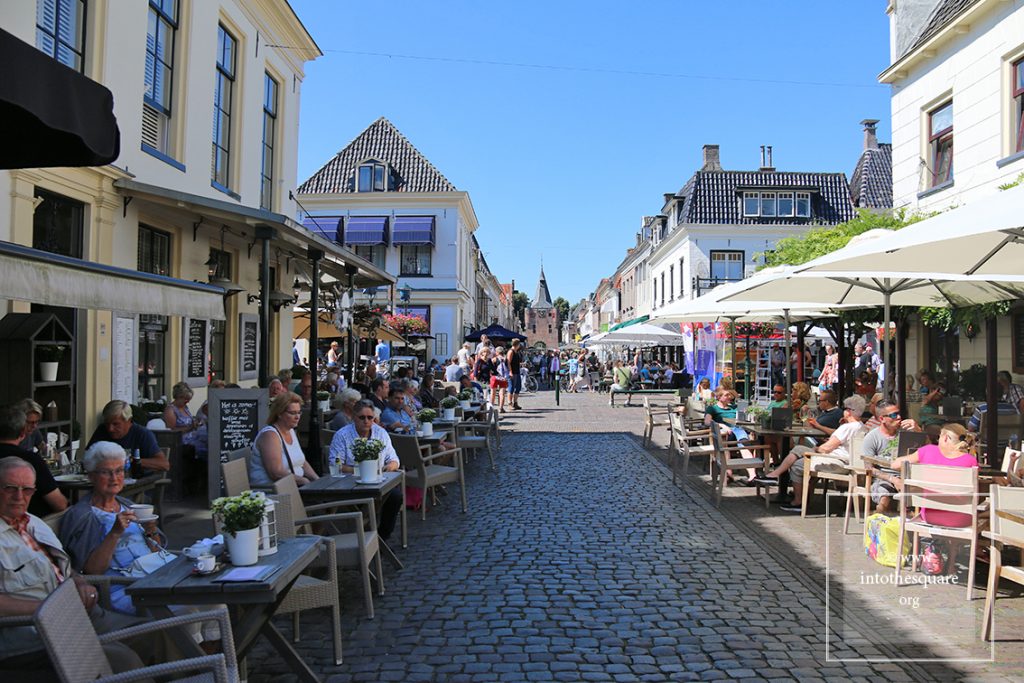
Marktplatz from Elburg, Holland

Elburg’s square is the result of an intersection between two main arteries, and reproduces on a much smaller scale the quadrangular shape of the city. Elburg has perfect geometrical proportions, thought out in such a way that its measurements link to the golden number[MOU1] . The city, whose shape has remained unchanged, was built between 1392 and 1396, and is unusual for the Middle Ages, as all of its roads are linked both to the city’s edges and to its square, which lies exactly at the geometric centre of the quadrangle.
ლეირა, პორტუგალია პრასა, ფრანცისკო როდრიგეზ ლობო

მოედანი საკმაოდ მნიშვნელოვან როლს ასრულებს ლეირას მოსახლეობის სოციალურ და ეკონომიკურ ცხოვრებაში, აქ არის კაფეები და ტერასები, სადაც ბევრი ღონისძიება ტარდება. ამ მოედნის ტროტუარი ითვლება პორტუგალიაში ერთ-ერთ ყველაზე ლამაზ ტროტუარად. შუასაუკუნეებში აქ იმართებოდა სეზონური ბაზრობები.

ჩესკი ბუდეოვიჩე, ჩეხეთის რესპუბლიკა, ნამესტი პრემისლა ოტოკარა II

მოედანი ევროპაში ერთ-ერთი უდიდესია  და  ბოჰემიის მეფე ოტოკარ II-ს სახელს ატარებს. მან 1256 წელს აღმოაჩინა ქალაქი, რომელსაც გერმანულად ერქვა ბუდვეისი. მოედნის სამხრეთ-აღმოსავლეთ კუთხეში დგას XVI საუკუნეში აშენებული შავი კოშკი და წმინდა ნიკოლოზის საკათედრო ტაძარი. ქალაქის შესასვლელის ბაროკოს სტილის შენობა განთავსებულია მოედნის საპირისპირო მხარეს. ცენტრალური ადგილი უჭირავს სამსონის შადრევანს, ბაროკოს სტილის დახვეწილი გაფორმებით. მოედანს ავსებს 48 სახლი, ლუდის ქარხანა და მარილის ბაზრობა.

კასერესი, ესპანეთი, დიდი მოედანი

ეს ესპანეთის ყველაზე დიდი მოედანია და შუასაუკუნეების ქალაქის შესასვლელში მდებარეობს. მოედანი სათავეს XI საუკუნიდან იღებს, როდესაც ამ ადგილს დიდი ტრადიციული დღესასწაულებისთვის იყენებდნენ. შენობები სხვადასხვა ხანას განეკუთვნება. ყოველი შენობის პირველი სართულების კოლონადები VI საუკუნით თარიღდება. ჩრდილო-დასავლეთით განლაგებული ბუხაკოს კოშკი თვალწარმტაცი შენობაა და ქალაქის სიმბოლოს წარმოადგენს. ის არაბების ბატონობის დროს რომაულ საძირკვლებზე აშენდა. როგორც ჩანს, სახელწოდება ჩალის თოჯინების ადგილობრივი სახელიდან იღებს საწყისებს – (ბუხაკოს) bujacos

ბურტანგე, ნიდერლანდები, მარკტპლეინი

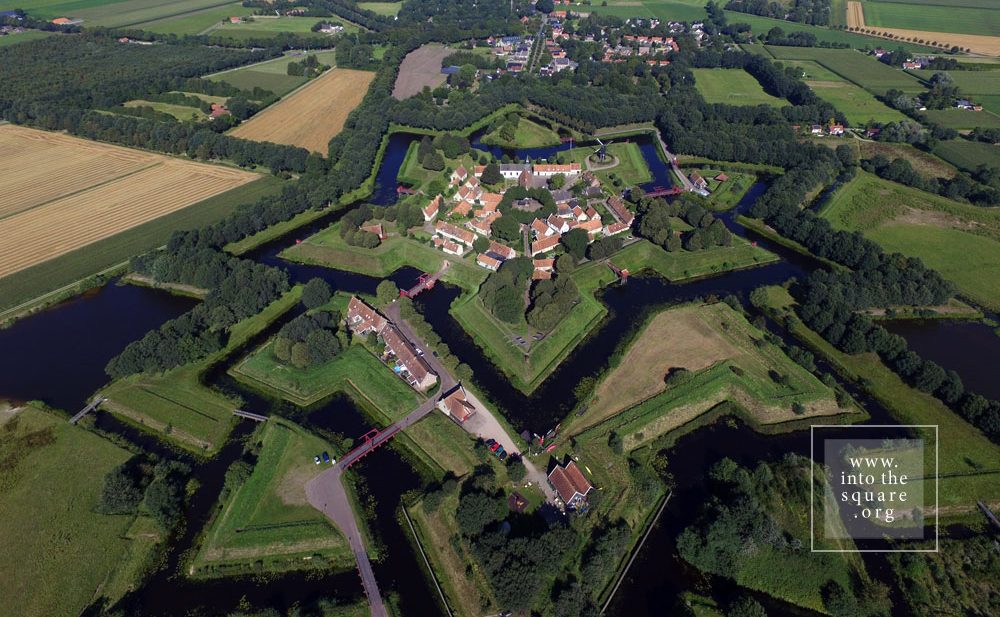
დღესდღეობით, ეს არის სოფელი, 133 სახლით და 300-ზე ნაკლები მოსახლეთი. თუმცა, ბურტანგე აშენდა როგორც სამხედრო ციხე 1593 წელს, ნიდერლადების რევოლუციისას, უილიამ მდუმარეს ბრძანებით. იგი ამ ფუნქციას ასრულებდა 1851 წლამდე, შემდეგ, დაკარგა თავდაცვითი ფუნქცია და აქ დასახლდნენ ხელოსნები და ფერმერები. სოფლის ძირითადი ფუნქციას წარმოადგენდა ესპანური გრონინგენის გერმანიასთან დამაკავშირებელი გზის დაცვა. ეს არის ვარსკვლავის ფორმის ერთ-ერთი ყველაზე შთამბეჭდავი ციხე ევროპაში. პენტაგონის ფორმის გეგმა, მისი არხები და საფარი შეესაბამება საწყის პროექტს. მოედანი განთავსებულია ცენტრში და შეესაბამება ციხეში განლაგებული შენობების პენტაგონურ ფორმას. მის პერიმეტრზე არის სამასწლოვანი 14 ცაცხვის ხე. მოედანზე წარმოდგენილია ყველაზე მნიშვნელოვანი ნაგებობები: კაპიტნის სახლი, მეთაურის სახლი და სკოლის ხელმძღვანელის სახლი. ამ შენობების განლაგება იერარქიულია. აქვე არის პროტესტანტული ეკლესია, რომელიც თარიღდება 1869 წლით და შესამჩნევია, რომ ის განთავსებულია მოედნის ახლოს და არა უშუალოდ მოედანზე.

ალმეიდა, პორტუგალია, პრასა დე საო ჰოაო

პორტუგალია-ესპანეთის საზღვარზე მრავალი ციხე-სიმაგრეა, რომელთა უმეტესობა პორტუგალიის მხარეს მდებარეობს. ალმეიდას ციხე 1641 წელს ვაუბანურ სტილში, აგებული ვარსკვლავის ფორმის ნაგებობაა, რომელიც პორტუგალიის ჩრდილოეთში მდებარეობს. ეს არის ციხე, სადაც თავისი ისტორიის მანძილზე, ესპანელებმა მხოლოდ ერთხელ შეაღწიეს, მოგვიანებით კი უკვე ფრანგების დახმარებით აიღეს. ციხის გეგმა არარეგულარულ ოთხკუთხედს წარმოადგენს. ის არცთუ ისე სიმეტრიულად არის განთავსებული, ვარსკვლავის მოხაზულობაც არაა იდეალური, თუმცა, მისი, როგორც ცენტრის როლი აშკარაა.

კოიმბრა, პორტუგალია, 8 მაისის მოედანი

კოიმბრა ცნობილია თავისი უნივერსიტეტით. მონუმენტური მოედნები განლაგებულია უნივერსიტეტის ტერიტორიაზე. ქალაქი ფლობს საიუველირო ნაწარმს, მოკრძალებული რაოდენობით, მაგრამ დაბალანსებული პროპორციებით, რაც ისტორიული მნიშვნელობისაა. 8 მაისის მოედანი მდებარეობს ქალაქის ცენტრში, სანტა კრუზის მონასტრის წინ. მისგან მოშორებით ქალაქის საბჭოს ნახავთ. მანუელის ეკლესიის ფასადი გამოირჩევა თავისი ბრწყინვალებით, იქ დაკრძალულია პორტუგალიის პირველი ორი მეფე. შენობების დანარჩენი სამი მხარე ისეთივე თვალსაჩინოა, როგორც ცენტრალური შადრევანი. ამაში თავისი წვლილი შეიტანა მოედნის თანამედროვე რეკონსტრუქციამაც.


ლისაბონი, პორტუგალია, პრასა დე მუნიჩიპიო

პრასა დე კომერჩიოსგან პატარა მანძილის დაშორებით განთავსებულია მუნიციპალური მოედანი, რომელზეც არის სამი მნიშვნელოვანი შენობა: მუნიციპალიტეტი, სააპელაციო სასამართლო და საზღვაო არსენალი. ეს არის პატარა, წყნარი მოედანი, პრასა დე კომერჩიოსგან განსხვავებული რითმებით. პრასა დე მუნიჩიპიო არის საქსოვი ფაბრიკის ნაწილი, რომლის რეკონსტრუქცია მოხდა მარკიზ პომბალის ხელმძღვანელობით. ეს ისტორიული დეტალი საკმარისია იმის ასახსნელად, რომ ისინი გაგებულ უნდა იქნას როგორც კონტრაპუნქტები, ეს არის ფართო, ურთიერთდაკავშირებული მოედნების სისტემა.


Plaza Mayor from Ciudad Rodrigo, Spain

This town took its name from Count Rodrigo González Girón. It was he who, in the mid-12th century, banished the Moors from this region once and for all, and built this town on top of a former Roman castrum, itself built atop a Celtic settlement. Its solid fortifications speak to its position on the border with Portugal. Paradoxically, although it is one of the most well-defended European borders on both sides, this frontier was the most stable in all of Europe’s history and has remained this way for 500 years. The only fighting to take place here was against Napoleon’s armies. Nowhere is the relationship between centre and periphery more marked than in such citadels.

Piazza Pio II from Pienza, Italy

Perched upon a hilltop in Tuscany, Pienza was originally called Corsignano. Pope Pius II loved his hometown greatly and wished to transform it into a concrete illustration of his theories about the “ideal city.” For this purpose he hired the architect Bernardo Rossellino and was himself directly involved in the city’s planning. Influenced by Alberti’s writings, Pius wished to build a uniform and self-sufficient city around a central square. Yet when he died in 1462, the urban sketch of the city that had taken his name was stopped, with only 40 completed buildings. At the heart of this “ideal city,” Bernardo Rossellino had managed to install a trapezoidal square, representing one of the first attempts of urban renewal in the postclassical period.

The area is not large, yet the illusion of space is created through its shape and the design of the pavement. The overall effect is that of a stage set flanked by important buildings. The Palazzo Vescovile lies on the eastern side of the square. On the opposite side stands the Papal Palace. The City Hall lies to the north, with a Florentine-style tower chosen by Rossellino. Two other buildings complete the northern side next to the City Hall. The square is dominated by the façade of a Cathedral, built along the smaller side of the trapezoid, so as not to end up overwhelming the square, for the Pope wished to build a city of human, rather than monumental, dimensions. Everything was carefully calculated, with the construction of the church even taking the movements of the sun into consideration. Inspired by Austrian Cathedrals that were bathed in natural light, the Pope asked that this church not respect the traditional east-west alignment, but be set in such a way that the sun would pour in from the southern windows. The church is aligned with the top of Mount Amiata, an extinct volcano. Its peak is visible from the southern windows of the church, though it is not visible from the square. This leads to an interesting reversal of perception: the interior of the church feels like a wide space that opens out to the landscape, while the square allows little access to its surroundings, and instead feels like an interior space. The two narrow open areas inside the square, on either side of the Cathedral, are some of the earliest Renaissance examples of visual access to rural landscapes from within a town. As such, it diverges from traditional medieval squares. In order to see the landscape, one must arrive at the very end of the square.

Within the square, various details from one building’s façade reappear on another façade; the rectangular shape of these façades recreates the shapes of the windows to scale. The windows at the upper level of the Papal Palace are Rossellino’s inventions, a combination of the Roman cross and the Tuscan rose window. The cross reappears as a detail on the windows of the Palazzo Vescovile, and the rose window reappears on the City Hall’s windows. Archways and circular details, grouped in threes, repeatedly appear on the façade of each building, The travertine grid and the red brick pavement mirror the series of compartments on the façade of the church, and are aligned with the pillars, doors, and corners of all of the buildings found along the square. At the centre of the square is a travertine circle, and the distance between the circle and the door of the church is equal to the distance between the base of the church and the occhio, a typical round window on the façade of the church. This is not the only “coincidence,” for the square respects a geometry based on the numbers 3, 5, and 9.  Moreover, in the early 2000s it was found that the shadow of the Cathedral aligns perfectly with the grid of the pavement at particular moments in time—specifically, 11 days after the solar equinox. It was known as early as the 15thcentury that there was an 11-day difference between the civil calendar and the astronomical one. The calendar reform was highly controversial within the Catholic Church, since Easter is calculated according to the equinox. Pieper, who observed the alignment of the church’s shadow with the grid, believed that the square was initially intended to demonstrate this on the day of the equinox. Thus, the construction had begun, but the project was adjusted so that the alignment would take place on the exact day of the equinox. When the modification was decided, construction on the square’s buildings was already underway. Redrawing the pavement grid would have led to discrepancies in the buildings’ details, so a solution was found by raising the roof of the Cathedral. This has been confirmed by evidence that the Albertian proportions on the church pediment have not been respected. It is still a mystery why details of this reconstruction, as well as the story of the alignment of the Cathedral’s shadow with the drawings on the pavement, make no appearance in the Pope’s extremely detailed diary.