The history of Aristotelous square began with a fire that destroyed two thirds of the city in 1917. Until that point – due to centuries of Ottoman rule – Thessaloniki was an Oriental city, with no square. Moreover, any attempt to design one had been thwarted by the impossibility of demolishing an area which had been built too densely. However, what cannot be achieved by architects can be accomplished by fire. The project was prepared by Frenchman Ernest Hébrard in 1918, but finalised only in 1950.
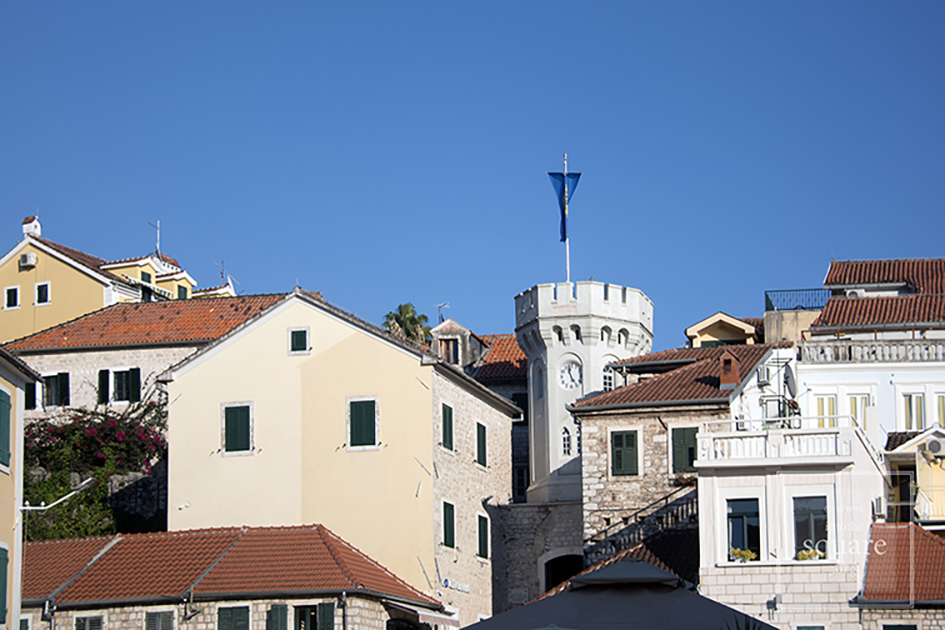
Herceg Novi (Castelnuovo in Italian) is not new as the name claims, but rather quite old, for it was founded in 1382 on the site of a fishing village by the Bosnian King Stephen I, which is also the name of this town’s central square. The Turks conquered the town in 1482 and remained there for two centuries, with a brief Spanish interlude. The town came under Venetian rule in 1687, then passed to Austro-Hungary. After that, Herceg Novi was temporarily ruled by Napoleon, the Russians, and Mussolini, and then became part of Yugoslavia. Its history, though not in its entirety, can be found in its square. It is paradoxical square, for it was built in a typically Italian style, with a splendid Orthodox church in the middle, surrounded by palm trees. Unofficially, the name of the square is Belavista. From there the sea is visible, as well as an Ottoman clock tower, a Spanish fortress, the bell tower of the Catholic church and the lower part of the city.
Náměstí Svornosti is a small, 45 x 60 meter square. Beautiful but unexceptional, grouping a number of houses with Renaissance façades, it has a baroque column and is bounded on one side by the arches of the old City Hall building. The town, called Krumau in German, grew around the splendid castle, whose first historical mention is encountered in a 13th century poem. The castle has always remained the focal point, whilst the square held a secondary role, which accounts for its size, also determined by its location on a bend of the Vltava river. But it too remains a key element in the fairy-tale like atmosphere of the settlement, which has become renowned across the world and, thus, invaded by far too many tourists for such a small town.
This square has an important role in the social and economic life of the Leira community, for it is filled with cafes and terraces, where numerous events are organised. The square’s pavement is considered one of the most beautiful in Portugal. In medieval times, the square held seasonal fairs.
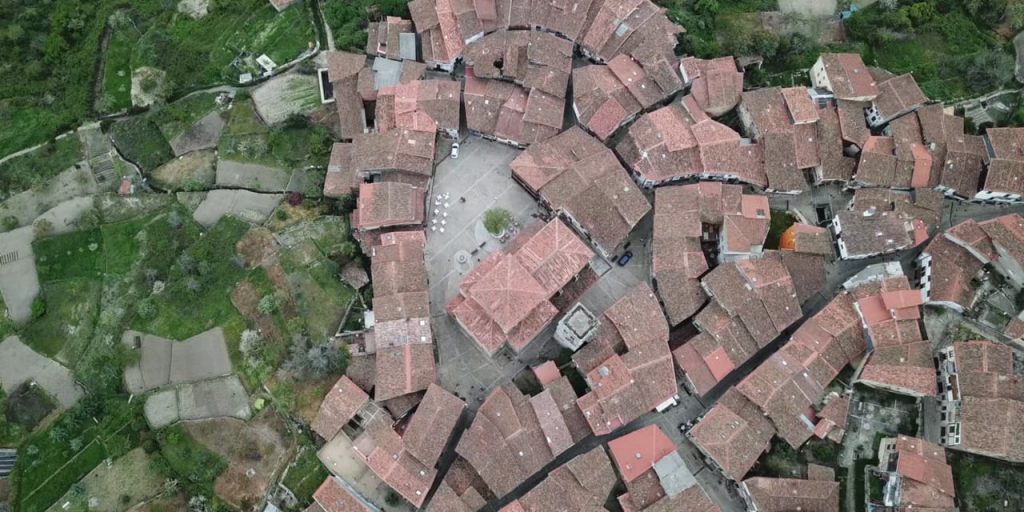
Mogarraz is a small, historic settlement in Sierra de Francia, the mountains near Salamanca. The origins of the settlement stem back to the 11th century, when it was founded by the Gascons. The village is well-known today in Spain due to the hundreds of portraits of locals, drawn on house walls by Florencio Maíllo, a local artist who began this undertaking in the 1960s, as the settlement became increasingly depopulated. Mogarraze is also interesting for its maintenance of a large part of its older architecture, and because its structure is close to the original one, with an eccentric square, and a fairy-tale atmosphere.
This is a square filled with life, bars, shops, taverns, terraces, restaurants. Built between 1821 and 1851 in a neoclassical style and surrounded by identical buildings, with three levels and a colonnade, it is called Plaza Nueva, in contrast to the city’s medieval square, and measures 3400 square meters. The functionalist style of its buildings and the absence of rich decoration reflect the ideas of the Enlightenment, for the square was planned at the end of the 18th century, although its construction began a few decades later. The first architect of the square was Silvestre Pérez. The space gives one the feeling of a giant yet intimate palace salon. Every Sunday, Plaza Nueva hosts a flea market.
A true symbol of Georgian independence, this area was named Freedom Square in 1918, during the First Georgian Republic. The name returns after the collapse of the USSR, proudly defining the country’s current identity, strengthened by the golden statue of Saint George defeating the dragon, which was placed here in 2006. It is interesting to note how the successive names of the square perfectly represent the history of Georgia in the modern age. When the square is built in the beginning of the 19th century, it is called Erevan or Ivan Paskevich Square – named after the general of the Russian Imperial Army, who conquered Erevan, eventually receiving the title of Count of Erevan. In the time of the USSR it was first called Beria Square, then Lenin Square, with a statue of Lenin dominating the centre until 1991.
An interesting look into the dynamics of the urban network of the city: at first, when there was an intersection of trading routes with an inn, rather than a square, this area was located towards the margins of the settlement. The gradual development of the commercial margin of the city eventually becomes a centre, something encountered in many big Western European cities. An especially adventurous historical episode takes place here: in 1907, the square is the scene of a famous bank heist, organised and led by Stalin himself.
This square is among the largest in Europe, and bears the name of King Ottokar II of Bohemia, who in 1256 founded the town, called Budweis in German. The Black Tower, built in the 16th century, and the Cathedral of Saint Nicholas are found in its south-eastern corner. The Baroque City Hall building lies at the opposite corner of the square, whilst its central point is occupied by Samson’s Fountain, featuring elaborate Baroque decorations. Completing the square are 48 houses with coats of arms; a beer factory; and a salt market.
Legend has it that whenever they wanted to build a village, the wandering shepherds of the Pindus chose a place and planted a tree. If the tree – which they passed by at least twice yearly with their herds – grew well, they would build a settlement there, with the tree as its heart. All of the Aromanian settlements in the Pindus have a square and all of them have an ancient tree at their centre. The locals call the square the plateia, platia, mishori or mesohori. These contain all the important buildings in the life of the community. The church, the school, the fountain, the cafes, all of these are found in the square. Or, rather, they define the square. Where they are the square is as well. It is a spatial, architectural definition, but especially a social and anthropological one, for this is the place where all important community events take place. For this reason, before having an architectural definition, the square has an anthropological definition. These are not squares meant to be seen, but squares where things are meant to happen. Their main function is not aesthetic, but social. And what happens, in brief, is the story of the community, which must function as a whole.
This is one of the largest squares in Spain and lies right at the entrance of the medieval town. Its origins are found in the 11thcentury, when the space was used for the great traditional holidays. The buildings are from different eras, with all of them having a 16th century ground floor colonnade. On the northwestern side, the Bujaco Tower is an eye-catching building, now a symbol of city. It was built during the Arab rule, on top of Roman foundations. The origins of its name may come from the local word for straw dolls, bujacos.
W przypadku miast kontynentu europejskiego plac stanowić będzie niezmiennie ich najważniejszy punkt. Tu zbiegają się główne arterie, tu ulokowano reprezentacyjne budowle i pomniki. Plac w mieście europejskim jawi się jako swoiste „podsumowanie” – historyczne, architektoniczne, kulturowe i społeczne. Na placu stają się wyraźne, nierzadko jednocześnie, wszystkie warstwy społecznego życia ludzkiego. Obserwowany z tej perspektywy plac, to przestrzeń uprzywilejowana. Rodzaj palimpsestu, który biegłym w jego języku nieprzerwanie opowiada historię ośrodka miejskiego na przestrzeni zmieniających się epok.
Opowieść, jaką „snują” miasta europejskie, rozwijać się będzie nieprzerwanie od czasów antyku greckiego, kiedy to pojawią się dwa zjawiska: plateia i agora. Na plac miejski patrzeć należy zatem jak na wytwór typowy dla Europy, o ciągłości rozwoju nieznanej innym cywilizacjom, nawet jeśli dopracowały się one w różnych okresach zbliżonych rozwiązań. Jednak niepodważalnym wynalazcą placu będzie Europa, która rozwinie jego formę architektoniczną by w pewnym momencie wyeksportować ją poza stary kontynent, jak to miało miejsce w okresie kolonialnym.
Poreč, Chorwacja
Plac, mający u swego zarania proste poszerzenie głównego traktu, jaki przebiegał przez greckie polis, nabierze z czasem funkcji reprezentacyjnych i religijnych służących danej społeczności i ujęty zostanie w dekoracyjną oprawę. Od Greków jego ideę przejmą Rzymianie, dla których forum będzie kluczowym elementem myślenia przestrzennego. Po upadku Imperium Rzymskiego rewitalizacja życia miejskiego nastąpi w okolicach roku 900, kiedy liczne wczesnośredniowieczne osady rozwijać się będą na dawnych antycznych strukturach, zachowując ich plan, schemat ulic, w końcu forum przeobrażone w główny plac. To scenariusz typowy dla wybrzeża Dalmacji, jak w przypadku miast Zadar i Poreč.
Wykonane dronem fotografie miast średniowiecznych umożliwiają dostrzeżenie fundamentalnej opozycji między centrum a obrzeżem, ponieważ miasta te zamknięte są w pierścień murów obronnych. Nieliczne, jak choćby portugalskie Óbidos, cieszą się do dziś jego pełnym zachowaniem. Plac będzie tu stanowić otwartą przestrzeń, swą objętością przeciwstawiającą się ciasnej siatce wąskich, krętych ulic. Nieodzownymi elementami „umeblowania” placu będą katedra i fontanna. W dużych ośrodkach mieszczącej się na placu fontannie rezerwuje się czysto estetyczną funkcję, związaną z tradycyjnym rytuałem. W przypadku małych miast, przypadnie jej również funkcja użytkowa.
Óbidos, Portugalia
Obecność okalających murów niosła ze sobą niezliczone konsekwencje dla miast całej Europy Zachodniej. W pierwszej kolejności ustalała populację, kiedy przez okres wielu wieków liczba ludności zamieszkującej ujęty w mury obszar pozostawała niezmienna. Gdy populacja rosła, preferowanym rozwiązaniem było zakładanie nowych ośrodków a nie poszerzanie już istniejących. Stąd też średniowiecze, na tle innych epok, przoduje w kategorii zakładania nowych osad. Ich budowę niezmiennie rozpoczynać będzie wyznaczenie miejsca dla placu. Drugą istotną konsekwencją obecności murów będzie niezmienność położenia samego centrum, zaś ulokowanie placu będzie bezpośrednio od niego zależne. Znajdować się on będzie w miejscu najbardziej chronionym, do którego wróg dotrze najpóźniej. Następny element to wjazd do miasta, który umożliwiało kilka zaledwie bram. Automatycznie wszystkie drogi wjazdu do miasta prowadzić będą na plac. Perspektywa z lotu ptaka unaocznia nam, że plac stanowi punkt ogniskowy układu miasta średniowiecznego. Mury wyznaczają w najbardziej przejrzysty sposób relację opozycji pomiędzy centrum a peryferiami. Stąd też, kiedy na progu modernizacji dawne mury ulegną likwidacji, miasta te konsekwentnie rozwijać się będą nie linearnie a koncentrycznie, przez dodanie sekwencji zabudowanego terenu do istniejącej już struktury. To scenariusz jaskrawo czytelny w przypadku licznych europejskich miast.
Valladolid, Hiszpania
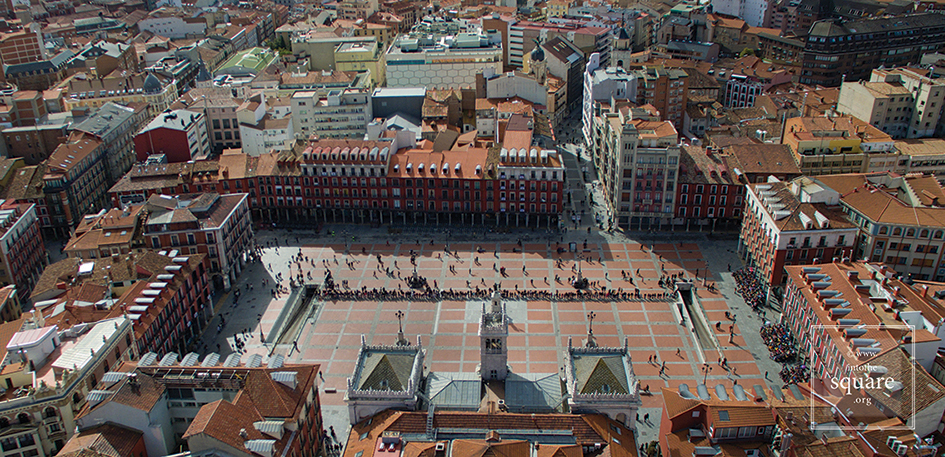
Okres renesansu otrzymuje w spadku miasta średniowieczne. Odrzuca je i snuje wizje nowych, ulokowanych w zdefiniowanych ramach ośrodków miejskich. Jednak odrodzenie daje się poznać szczególnie jako epoka, która nad lokację nowych ośrodków, przedkłada kreację wyimaginowanych, utopijnych. Teoria przeradza się w praktykę jako konsekwencja katastrof i klęsk żywiołowych. W roku 1561 potężny pożar trawi w całości centrum miasta Valladolid. Z perspektywy ówczesnych urbanistów klęska, która spada na miasto, jawi się jako swoiste błogosławieństwo. Na opustoszałym po wielkim pożarze terenie wzniesiony zostaje Plaza Mayor, będący do dziś jednym z największych placów Hiszpanii. To pierwszy regularny plac kontynentu, szkoda że dziś niesprawiedliwie niedoceniony. Jego symetria, czystość planu przemawiają szczególnie przy zastosowaniu perspektywy z lotu ptaka. Urbanistyczno-architektoniczna matryca, jaką stanowi Valladolid, zapożyczona zostaje przez kolejne ośrodki, osiągając pełnię w doskonałych proporcjach Plaza Mayor w Salamance, jednym z najpiękniejszych placów świata. Dopiero wykonana z lotu ptaka fotografia odsłania rąbek tajemnicy idealnych proporcji założenia: jego plan to nie kwadrat tylko trapez. Ta niedostrzegalna z pozycji zwykłego przechodnia subtelność, umożliwia iluzję optyczną i daje efekt pogłębienia perspektywy w relatywnie małej przestrzeni, jaką architekt miał do dyspozycji.
Salamanka, Hiszpania
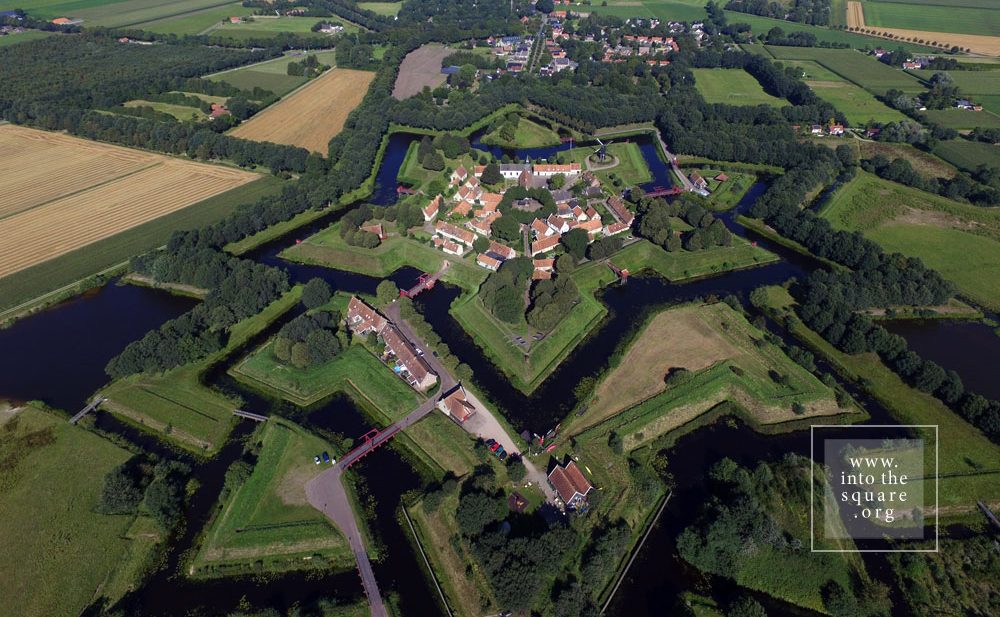
Z nastaniem XVI wieku powraca rola fortyfikacji miejskich, tym razem jednak rozumianych w zgoła inny sposób. Wizjoner architekt-artysta powoli przekazuje misję projektowania miasta praktykowi architektowi-inżynierowi. Fundamentalną rolę przyjdzie tu odegrać francuskiemu architektowi o nazwisku Vauban. Zaproponowana przez niego myśl obronna zakłada stałe stacjonowanie kontyngentu wojskowego w środku fortyfikacji. Jak grzyby po deszczu wyrastają w Europe forty na planie gwiazdy: od Naarden i Bourtange w Holandii, przez Alameidę w Portugalii, kończąc na Alba Iulii w Rumunii. To wojskowe miasta o idealnej geometrycznej strukturze, których proste, równe ulice prowadzą do położonych centralnie przestronnych placów. Obserwowane z dołu nie pozwalają na zrozumienie swej obmyślanej w każdym calu struktury, której można tylko się domyślać, tym bardziej, że ich architekturę cechuje raczej surowy charakter. Należą jednak do najwdzięczniejszych urbanistycznych modeli portretowanych z góry: wyglądają niczym gwiazdy, które wylądowały na powierzchni ziemi. W ich przypadku mamy do czynienia z najdobitniej zobrazowaną funkcją placu jako przestrzeni centralnej.
Począwszy od połowy XVIII wieku, a szczególnie w wieku XIX miasta przechodzą transformację, która odzwierciedlać będzie rewolucje naukowe, polityczne i w zakresie obronności. Z biegiem czasu siła autarkii miast słabnie aż zgaśnie kompletnie, otwierając rozdział scentralizowanych rządów autokratycznych. Monarchowie wprowadzają wojsko do miast, to zaś wymaga prostych, przestrzennych arterii. Umożliwiają one nie tylko szybkie i precyzyjne manewry wojskowe, ale pozwalają na organizację pysznych, reprezentacyjnych parad. Arystokracja opuszcza położone z dala od miast siedziby i przenosi się bliżej centrów rządowych, powstają rezydencje miejskie, które z czasem staną się głównymi jej siedzibami. W tym samym czasie liczne majętne rodziny wykazują szczególną troskę o to, jak ma wyglądać miasto. Ulega ono radykalnemu przeobrażeniu, podobnie jak rola placu oraz jego relacja z pozostałą przestrzenią.
Naarden, Holandia
O ile miasta średniowieczne odzwierciedlały potrzeby całej społeczności, o tyle miasta nowożytne poddane zostaną zmianom, które służyć będą gustom wybranej grupy: arystokracji. Powstają otwierające perspektywę proste bulwary, które pozwolą oku na objęcie szerokiej przestrzeni, nie jak do tej pory, zaledwie do „pierwszego zakrętu”. Stąd dzieli nas już tylko krok od teorii vista. Nieznana antykowi vista zakłada wysoce złożoną koncepcję urbanistyczną: zabytki i pomniki podziwiane mają być nie tylko z bliska, ale i z dystansu, funkcjonując jako dostrzegalne z przeciwległego końca bulwaru dominanty urbanistyczne. To, co wcześniej funkcjonowało na zasadzie przypadku, poddane zostaje wnikliwym studiom. Łuki triumfalne, kolumny memoratywne, rozbudowane grupy pomnikowe obmyślane zostają w taki sposób, by „działać” ze znacznej odległości. Logiczną konsekwencją tak rozumianych placów będzie ich połączenie prostymi, reprezentacyjnymi osiami. Za egzemplifikację powyższej koncepcji niech posłuży nam przebudowana po trzęsieniu ziemi z 1 listopada 1755 Lizbona, dzieło Markiza de Pombala. Lizbońskie place tworzą wspaniały teatralny system: place Comerțului de Rosio, Rosio de Figueira, Martim Moniz și de Restauradores, Restauradores de Praça do Marquês de Pombal wypełnione zostają okazałymi pomnikami.
Lizbona, Portugalia
Jednak by w pełni odczuć byt placu, trzeba jeszcze czegoś, poza samymi budynkami. Miasta to amalgamat ludzi i budynków, zaś relacja pomiędzy nimi nie jest tak prosta, jak mogłoby się wydawać na pierwszy rzut oka. Ludzie wznoszą budynki, natomiast sposób w jaki dana społeczność wpisuje w przestrzeń swoją opowieść, religię, różnorakie mitologie, w końcu konkretne, dyktowane przez życie codzienne potrzeby, nie jest i dziś w pełni jasny. Niezliczone składowe tego procesu umykają opisowi i prawdopodobnie nie dadzą się w pełni opisać nigdy. Plac to jego architektura i jednocześnie „coś” więcej niż ona. To przeszłość danej społeczności, zawarta w systemie symboli dostrzegalne – niewidoczne, stanowi unikalny budulec i spoiwo każdego placu.
Today this is a village, with 133 houses and fewer than 300 inhabitants. Yet Bourtange was built as a military fort in 1593, during the Dutch Revolt, on the orders of William the Silent. It held this role until 1851, when it officially lost its defensive function and became populated by craftsmen and farmers. Its initial purpose was to guard the road linking Spanish Groningen to Germany. It is one of the most spectacular star-shaped forts in Europe. The pentagonal plan and its network of canals and fortifications respects the original project. The square stands in the geometric middle and follows the pentagonal shape of the buildings placed within the fort. Its perimeter is perfectly defined by 14 lime trees which are over 300 years old. The square holds the most important houses: the captain’s house, the commander’s house, and the house of the school headmaster, for the placement of its buildings was hierarchical. The Protestant church dates from 1869 and, notably, is situated close to the square but not within the square itself.
On the Portuguese side of the border there are even more fortifications than in Spain. Almeida is found in the north of Portugal. It is a star-shaped fort with 12 corners, Vauban style, built in 1641. The Spanish only entered there once in all their history, and then with the help of the French. The square is an irregular quadrilateral and is not positioned quite geometrically, just as the star is not perfect; but its role as a centre is obvious when viewed in relation to the margins of the citadel.
Coimbra is famous for its university, and monumental squares are located in the university area. The city also possesses a small jewel of a square, modest in size but convincing through its balanced proportions and its historical importance. It is Praça 8 de Maio, found in the city centre, in front of the monastery of Santa Cruz, while further on one finds the Câmara Municipal. This small space manages to not be dwarfed by the height and splendour of the Manueline façade of the church where the first two kings of Portugal lie buried. The buildings on the other three sides are just as visible, likewise the central fountain. The contemporary redesigning of the square also contributes to its openness.





 The functionalist style of its buildings and the absence of rich decoration reflect the ideas of the Enlightenment, for the square was planned at the end of the 18th century, although its construction began a few decades later. The first architect of the square was Silvestre Pérez. The space gives one the feeling of a giant yet intimate palace salon. Every Sunday, Plaza Nueva hosts a flea market.