ალმეიდა, პორტუგალია, პრასა დე საო ჰოაო

პორტუგალია-ესპანეთის საზღვარზე მრავალი ციხე-სიმაგრეა, რომელთა უმეტესობა პორტუგალიის მხარეს მდებარეობს. ალმეიდას ციხე 1641 წელს ვაუბანურ სტილში, აგებული ვარსკვლავის ფორმის ნაგებობაა, რომელიც პორტუგალიის ჩრდილოეთში მდებარეობს. ეს არის ციხე, სადაც თავისი ისტორიის მანძილზე, ესპანელებმა მხოლოდ ერთხელ შეაღწიეს, მოგვიანებით კი უკვე ფრანგების დახმარებით აიღეს. ციხის გეგმა არარეგულარულ ოთხკუთხედს წარმოადგენს. ის არცთუ ისე სიმეტრიულად არის განთავსებული, ვარსკვლავის მოხაზულობაც არაა იდეალური, თუმცა, მისი, როგორც ცენტრის როლი აშკარაა.

კოიმბრა, პორტუგალია, 8 მაისის მოედანი

კოიმბრა ცნობილია თავისი უნივერსიტეტით. მონუმენტური მოედნები განლაგებულია უნივერსიტეტის ტერიტორიაზე. ქალაქი ფლობს საიუველირო ნაწარმს, მოკრძალებული რაოდენობით, მაგრამ დაბალანსებული პროპორციებით, რაც ისტორიული მნიშვნელობისაა. 8 მაისის მოედანი მდებარეობს ქალაქის ცენტრში, სანტა კრუზის მონასტრის წინ. მისგან მოშორებით ქალაქის საბჭოს ნახავთ. მანუელის ეკლესიის ფასადი გამოირჩევა თავისი ბრწყინვალებით, იქ დაკრძალულია პორტუგალიის პირველი ორი მეფე. შენობების დანარჩენი სამი მხარე ისეთივე თვალსაჩინოა, როგორც ცენტრალური შადრევანი. ამაში თავისი წვლილი შეიტანა მოედნის თანამედროვე რეკონსტრუქციამაც.


ლისაბონი, პორტუგალია, პრასა დე მუნიჩიპიო

პრასა დე კომერჩიოსგან პატარა მანძილის დაშორებით განთავსებულია მუნიციპალური მოედანი, რომელზეც არის სამი მნიშვნელოვანი შენობა: მუნიციპალიტეტი, სააპელაციო სასამართლო და საზღვაო არსენალი. ეს არის პატარა, წყნარი მოედანი, პრასა დე კომერჩიოსგან განსხვავებული რითმებით. პრასა დე მუნიჩიპიო არის საქსოვი ფაბრიკის ნაწილი, რომლის რეკონსტრუქცია მოხდა მარკიზ პომბალის ხელმძღვანელობით. ეს ისტორიული დეტალი საკმარისია იმის ასახსნელად, რომ ისინი გაგებულ უნდა იქნას როგორც კონტრაპუნქტები, ეს არის ფართო, ურთიერთდაკავშირებული მოედნების სისტემა.


Plaza Mayor from Ciudad Rodrigo, Spain

This town took its name from Count Rodrigo González Girón. It was he who, in the mid-12th century, banished the Moors from this region once and for all, and built this town on top of a former Roman castrum, itself built atop a Celtic settlement. Its solid fortifications speak to its position on the border with Portugal. Paradoxically, although it is one of the most well-defended European borders on both sides, this frontier was the most stable in all of Europe’s history and has remained this way for 500 years. The only fighting to take place here was against Napoleon’s armies. Nowhere is the relationship between centre and periphery more marked than in such citadels.

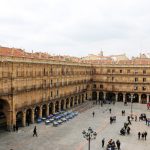
სალამანკა, ესპანეთი, პლაზა მაიორ

ამ მოედნის მშენებლობა დაიწყო 1729 წელს, ფილიპ V-ს ბრძანებით, მოედანი დასაწყისში გათვლილი იყო ხარების ბრძოლებისათვის. დღესდღეობით, ის ითვლება ერთ-ერთ ყველაზე ლამაზ მოედნად ესპანეთსა და მთელს ევროპაში. სივრცეს აქვს პარადოქსული ოპტიკური ილუზია. მიწიდან დონიდან ის იდეალურ კვადრატად აღიქმება, თუმცა აეროფოტოში ჩანს, რომ არარეგულარული ფორმა აქვს. შენობათა ბაროკოს სტილის ფასადები, გარს ერტყმიან და განსაზღვრავენ მოედნის პერიმეტრს. ფასადები ერთი შეხედვით თითქოს იდეალური პროპორციით ხასიათდება. თუმცა, სინამდვილეში, არცერთი მათგანი არ არის ერთი და იგივე სიმაღლის. სალამანკას ამ მოედნის შესახებ ბევრი წიგნი დაწერილა, ის ითვლება ესპანური მოედნების სრულყოფილ მოდელად.

Piazza Pio II from Pienza, Italy

Perched upon a hilltop in Tuscany, Pienza was originally called Corsignano. Pope Pius II loved his hometown greatly and wished to transform it into a concrete illustration of his theories about the “ideal city.” For this purpose he hired the architect Bernardo Rossellino and was himself directly involved in the city’s planning. Influenced by Alberti’s writings, Pius wished to build a uniform and self-sufficient city around a central square. Yet when he died in 1462, the urban sketch of the city that had taken his name was stopped, with only 40 completed buildings. At the heart of this “ideal city,” Bernardo Rossellino had managed to install a trapezoidal square, representing one of the first attempts of urban renewal in the postclassical period.

The area is not large, yet the illusion of space is created through its shape and the design of the pavement. The overall effect is that of a stage set flanked by important buildings. The Palazzo Vescovile lies on the eastern side of the square. On the opposite side stands the Papal Palace. The City Hall lies to the north, with a Florentine-style tower chosen by Rossellino. Two other buildings complete the northern side next to the City Hall. The square is dominated by the façade of a Cathedral, built along the smaller side of the trapezoid, so as not to end up overwhelming the square, for the Pope wished to build a city of human, rather than monumental, dimensions. Everything was carefully calculated, with the construction of the church even taking the movements of the sun into consideration. Inspired by Austrian Cathedrals that were bathed in natural light, the Pope asked that this church not respect the traditional east-west alignment, but be set in such a way that the sun would pour in from the southern windows. The church is aligned with the top of Mount Amiata, an extinct volcano. Its peak is visible from the southern windows of the church, though it is not visible from the square. This leads to an interesting reversal of perception: the interior of the church feels like a wide space that opens out to the landscape, while the square allows little access to its surroundings, and instead feels like an interior space. The two narrow open areas inside the square, on either side of the Cathedral, are some of the earliest Renaissance examples of visual access to rural landscapes from within a town. As such, it diverges from traditional medieval squares. In order to see the landscape, one must arrive at the very end of the square.

Within the square, various details from one building’s façade reappear on another façade; the rectangular shape of these façades recreates the shapes of the windows to scale. The windows at the upper level of the Papal Palace are Rossellino’s inventions, a combination of the Roman cross and the Tuscan rose window. The cross reappears as a detail on the windows of the Palazzo Vescovile, and the rose window reappears on the City Hall’s windows. Archways and circular details, grouped in threes, repeatedly appear on the façade of each building, The travertine grid and the red brick pavement mirror the series of compartments on the façade of the church, and are aligned with the pillars, doors, and corners of all of the buildings found along the square. At the centre of the square is a travertine circle, and the distance between the circle and the door of the church is equal to the distance between the base of the church and the occhio, a typical round window on the façade of the church. This is not the only “coincidence,” for the square respects a geometry based on the numbers 3, 5, and 9.  Moreover, in the early 2000s it was found that the shadow of the Cathedral aligns perfectly with the grid of the pavement at particular moments in time—specifically, 11 days after the solar equinox. It was known as early as the 15thcentury that there was an 11-day difference between the civil calendar and the astronomical one. The calendar reform was highly controversial within the Catholic Church, since Easter is calculated according to the equinox. Pieper, who observed the alignment of the church’s shadow with the grid, believed that the square was initially intended to demonstrate this on the day of the equinox. Thus, the construction had begun, but the project was adjusted so that the alignment would take place on the exact day of the equinox. When the modification was decided, construction on the square’s buildings was already underway. Redrawing the pavement grid would have led to discrepancies in the buildings’ details, so a solution was found by raising the roof of the Cathedral. This has been confirmed by evidence that the Albertian proportions on the church pediment have not been respected. It is still a mystery why details of this reconstruction, as well as the story of the alignment of the Cathedral’s shadow with the drawings on the pavement, make no appearance in the Pope’s extremely detailed diary.

Piazza Castello from Marostica, Italy

Every other year, in the second week of September, Marostica hosts a game of chess. But in this game, living people play the roles of the wooden figurines, and the square of this tiny medieval town serves as the chess board, with its pavement designed especially for this purpose. For this reason, the Maroustica Piazza Castello is also called the Piazza degli Scacchi. As the story goes, in medieval times, two young nobles, Rinaldo D’Angarano and Vieri da Vallanora, fell madly in love with Lionora, the daughter of a local Lord. The customs of the time required that the girl’s fate be decided through a duel. But as her father did not wish to make enemies, and wanted no blood spilt, he forbid the duel and proposed a chess game in its stead. The winner would become the husband of the coveted Lionora. The loser would not lose, but instead gain the hand of his younger daughter, Oldrada. Of course, this story has no basis in historical fact. Not one of its characters ever existed, just as there was no chess match in medieval Marostica, which in the local Venetian dialect was called Maròstega. A Dalmatian writer and architect named Mario Mirko Vucetich invented the entire story, just after the Second World War. And the local chess club found it apt to regard the story as true and to organise, every other year, a competition with living people as chess pieces, in this scenic square with medieval origins in the small town of Marostica, in northern Italy.

Piața Sfatului from Brașov, Romania

პიაცა სფატულუიზე ბაზარი მე-14-ე საუკუნიდან იმართებოდა. აქვე ხდებოდა საქონლის გადაცვლაც. იმ პერიოდში აღნიშნულ სავაჭრო ცენტრს მარკეტპლაცს უწოდებდნენ. ამ სივრცეში 1420 წელს აშენებული ქალაქის მერიის შენობა დომინირებს.  იგი არა მხოლოდ მოედნის ცენტრია, არამედ  საინტერესო ქრომატულ პოლიფონიას გვთავაზობს, სადაც ღია ფერის ნაგებობა და ახლომდებარე შავი ეკლესია (Schwarze Kirche), რომელიც მოედნიდან მოსჩანს, – ლამაზ კონტრასტებს ქმნიან.


Žižkovo náměstí from Tábor, Czech Republik

One one side of this square is a statue of Jan Žižka, leader of the Hussite movement, and one of the few military commanders in history to have never lost a single battle. Today, his name is found in this square in Tábor. Situated on a hilltop, with the square at its peak, and near Lake Jordan, named after the Biblical river, this city was founded in the spring of 1420 as a centre of the Hussite revolutionary movement. At first carefully planned, it later developed organically, and the shape of its square points to this tendency. Its streets were intentionally designed in zigzag formation, so that enemies would have difficulty reaching the centre. Although it is hard to see in the photograph, the square is sloped, which gives it an additional spatial dimension.

Praça do Comércio from Lisbon, Portugal

This square owes its existence to the great Lisbon earthquake of 1 November 1755 and the fire that followed. On this spot, abandoned due to natural disasters, a new, well-ordered city was built, as a result of reconstruction efforts coordinated by the Marquise of Pombal, the leader of the royal government.

Praça do Comércio was built on Terreiro de Paço, the site where the court of the Royal Palace had previously been held. This name is still used for the square, with its one side facing the Tejo, the greatest river on the Iberian Peninsula. Measuring 175 by 180 meters, this square is one of the largest on the European continent.

Plaza de la Corredera from Córdoba, Spain

Soon after the Plaza Mayor was built in Madrid, its design was copied by other cities, even ones very distant from the capital. The Plaza de la Corredera in Córdoba is the only quadrilateral square in the south of Spain and Andalusia, developed by the architect Antonio Ramós Valdés of Salamanca. In 1683, on the site of an esplanade, which historically had been a Roman circus, and subsequently a trading area during the city’s Muslim era, he constructed a giant, semiregular quadrilateral, slightly smaller than the one in Madrid.

After it was built, the square was used for various purposes, serving as the grounds for temporary trade fairs and an arena for corridas, from which its current name originates. In the area beneath its ground floor arches are the so-called esparterías shops that sell traditional objects braided from plant fibres. Antique shops have existed here for nearly a century.

Domplatz from Passau, Germany

This urban structure was determined by its geographical position, one of the most spectacular in urban Europe. Passau is situated on a spit of land, at the confluence between the Danube, the Inn and the Ilz, each with differently coloured waters. The Domplatz lies at the highest point of the city, which serves to its advantage, as Passau is threatened by floods each year. The square was built in 1150, and in 1155, after donations by the Bishop Konrad von Babenberg, it became the property of the Cathedral, under the condition that clerical houses be built on its free sides. These 14 buildings were damaged by the great fires of 1662 and 1680, and then rebuilt by Italian architects in a late-Baroque style. In 1824, a statue of Emperor Maximilian I of Bavaria was placed in the square. Thus, for the first time in its history, the square became public, gaining the status of an official town square. It was renovated after 2013. Its pavement was replaced with fine gravel, pointing to its previous historical eras. Its lighting is spectacular, one of the finest in Europe. Highlighting the façade of the Cathedral, leaving the square and the rest of the buildings in half-light, it enngages in a subtle game of darkness and light, linking the past, when cities did not have public lighting, with the future. The effect is that of a scene from a Baroque play.


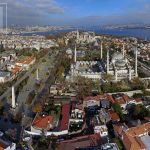
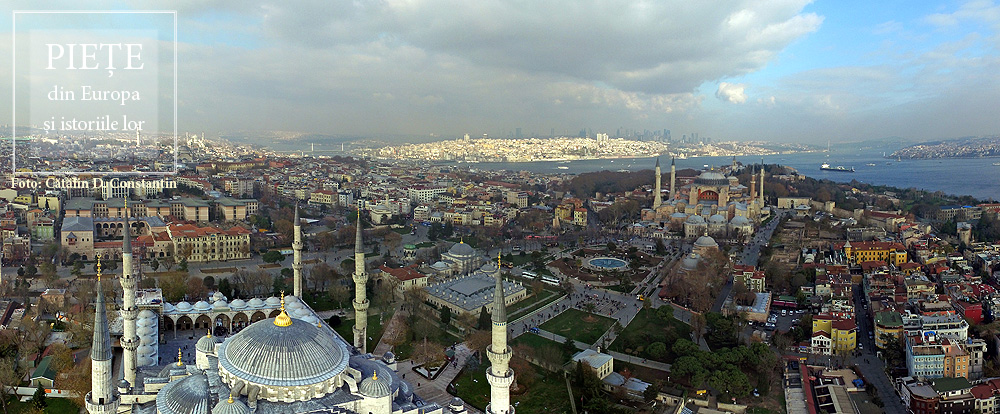
სტამბული, თურქეთი, სულთანაჰმედის მოედანი

მოედნის სივრცე აღმოსავლეთისა და დასავლეთის შეყრის იდუმალებით ხასიათდება. ეს არის არა ერთი, არამედ ორი მოედანი ერთი სახელით. აია სოფიასა და სულთან აჰმედის მეჩეთს შორის არსებული სივრცე ცნობილია ლურჯი მეჩეთის სახელწოდებით, სადაც წარმოდგენილია მოედანი შადრევნით. მას ხშირად აია სოფიას მოედანსაც უწოდებენ, თუმცა ოფიციალური სახელწოდებაა სულთან აჰმედის მოედანი. იქვე წარმოდგენილია ბაზარი – ბოსტანი, რომელიც იმართებოდა ავგუსტუსის რომაული ფორუმის დროს. პარადოქსია, მაგრამ, გრძელი მოედანი ლურჯი მეჩეთიდან ისლამური ხელოვნების მუზეუმამდე სულთან აჰმედის სახელს ატარებს, თუმცა, ის არა პარკი, არამედ მიმდებარე მოედანია. არ არსებობს მსოფლიოში ადგილი, რომელიც ამხელა ისტორიას აერთიანებდეს. თეოდორე დიდის ობელისკი ფაქტობრივად ეგვიპტურია და აქ ჩამოიტანეს 390 წელს ლუქსორიდან. ის  ასუანში ძვ.წ 1490 წელს, ეგვიპტელი ფარაონი თუტმოს III-თვის გამოაქანდაკეს. სერპანტინის სვეტი ჩამოიტანეს 324 წელს ქალაქ დელფოში აპოლონის ტაძარში, სადაც ბერძნების სპარსელებზე გამარჯვებას ზეიმობდნენ. ჩამოასხეს სპარსელების იარაღის შენადნობიდან და გამოაქანდაკეს ბერძნებმა. ის ახლა 2500 წლისაა. მეორე ქანდაკება შეიქმნა X საუკუნეში კონსტანტინე VII-ის მიერ. ასევე უნდა დავამატოთ კეისარ ვილჰელმ II-ის ვიზიტის აღსანიშნავად, 1900 წელს შექმნილი „გერმანული შადრევანი“. აღსანიშნავია არტნუვოს ფასადი, შენობის აღმოსავლური მახასიათებლებით, რომელიც ამჟამად მარმარას უნივერსიტეტის რექტორატს მასპინძლობს. ლურჯი მეჩეთი და აია სოფია მოედნის ერთ მხარეს განსაზღვრავენ. მოპირდაპირე მხარეს კი მდებარეობს ისლამური ხელოვნების მუზეუმი, რომელიც იბრაჰიმ ფაშას სასახლეშია განთავსებული. იბრაჰიმ ფაშა სულეიმან დიდის ვეზირი იყო. აღმოსავლეთ რომის იმპერიის ნულოვანი კილომეტრი მონიშნული იყო მარმარილოს სვეტით, რომელიც ისევ მოსჩანს მოედნის ჩრდილო-აღმოსავლეთ კუთხეში. და ეს კიდევ ყველაფერი არ არის. მოედანი ფაქტიურად, რომაული იპოდრომის არენას წარმოადგენს.

Trg Peristil from Split, Croatia

From a bird’s eye view, the old town of Split resembles a rectangular box into which someone has placed buildings, streets, and markets. Beginning in the Middle Ages, two of the larger markets in this citadel played a key role in the history of the city, Narodni Trg, or Spalato in Italian. The People’s Square, called simply Pjaca by the locals, was first mentioned in the 13thcentury, and has a number of superb Gothic buildings. A bit further on, at the entrance to the citadel, lies Trg Braće Radić, called Voćni Trg by the locals, meaning “fruit market,” in reference to its earlier, colourful identity. Just outside the medieval walls is a third great square, Republic Square. Its more recent architecture reminds one of Venice’s San Marco. It was built in the mid-19th century, in a historicist style, demonstrating that Split, long under Venetian rule, still carries on this tradition. These are beautiful squares, each with its own marked individuality, but the oldest and most interesting of the Split squares by far is Trg Peristril, which is smaller, yet considered by locals to be the historical heart of this area. Its history is special. Originally, this square served as the interior courtyard of a palace built for the Roman emperor Diocletian in 305, across a huge surface measuring 300 square meters. In fact, half of the old city of Split lies within the palace walls, the most well-preserved Roman palace today. After the Romans abandoned it, it remained uninhabited for centuries, until the people of Salona used it when taking refuge from the Slavs, turning this former palace into their settlement. And a settlement it shall remain. John of Ravenna, the first local archbishop, oversaw the transformation of the Diocletian mausoleum into a church. This was the moment when the palace courtyard officially became the Cathedral square, with all of the functions of a medieval square. Changes were made to it, but some features were kept, including its red porphyry columns.